Glass-Less Nanomirror vs. Glass Mirror: The Complete Buyer’s Guide
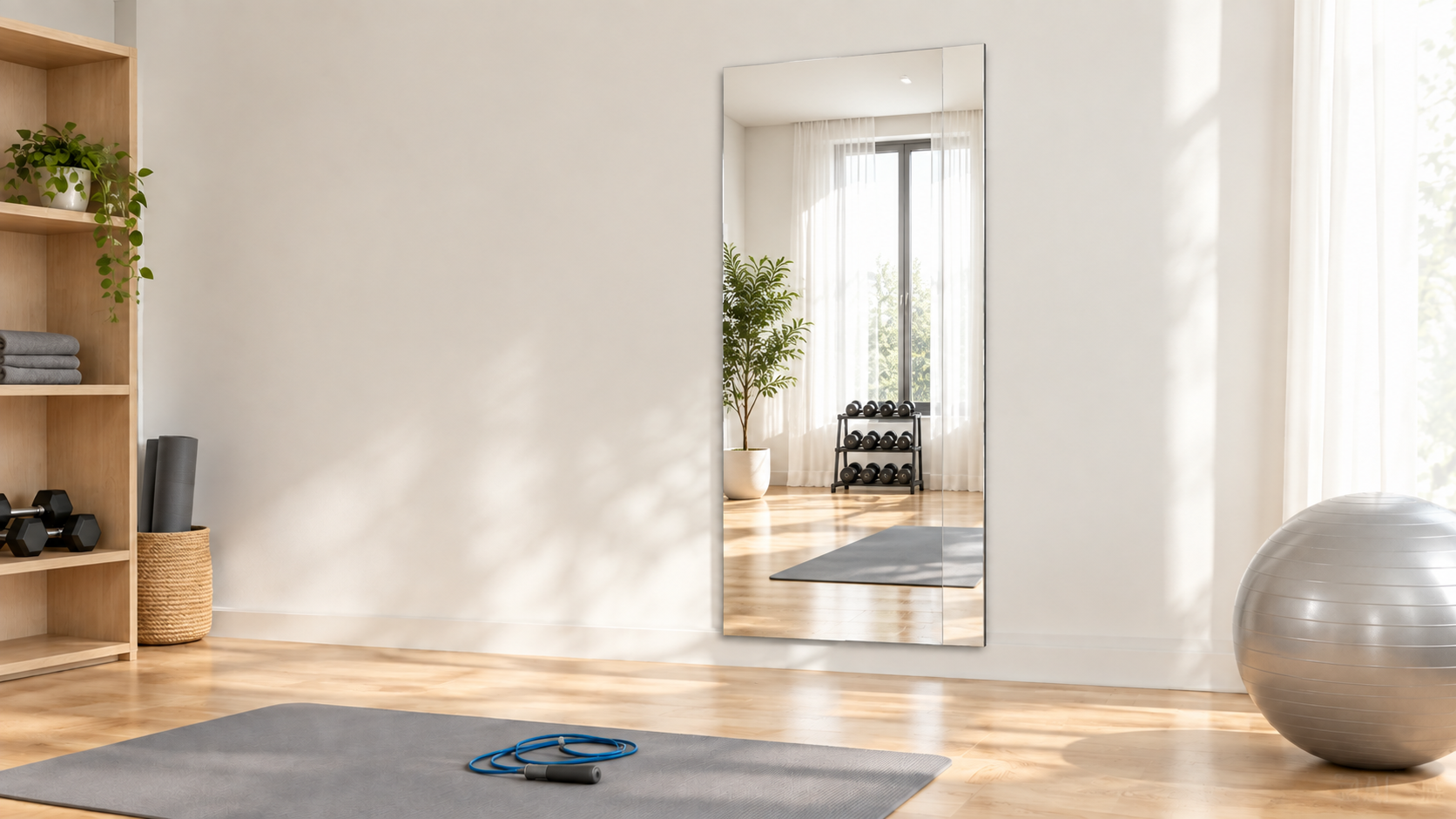
For more than a century, the mirror market had one material: glass. Today, facility managers, studio owners, and homeowners in North America and Europe are specifying a different technology, the glass-less shatterproof nanomirror. This guide compares the two options across the five criteria that actually drive purchasing decisions.
A glass-less nanomirror replaces the glass substrate with an optical-grade polymer film, roughly 0.04mm thick, coated with a multi-layer reflective stack. The result is a mirror that weighs 80% less than an equivalent glass mirror and simply cannot shatter into shards.
Safety: The Deciding Factor
Tempered glass reduces but never eliminates breakage risk. When it fails, it still drops a curtain of fragments. In dance studios, therapy gyms, schools, and patient rooms, that residual risk is precisely what safety audits flag. A shatterproof mirror made from polymer film flexes under impact and stays in one piece, which is why healthcare and education projects increasingly write glass-free specifications.
Optical Clarity and Color Truth
The most common myth is that polymer mirrors distort. Modern multi-layer coatings deliver 95%+ reflectivity with a single, distortion-free image. Cheap first-surface films did suffer from double imaging, but current-generation nanomirror coatings match or exceed the color neutrality of silvered glass, an important detail for dance studios where dancers read posture and line.
Weight, Shipping, and Installation
A 2m x 1m glass mirror weighs around 25kg and typically requires two installers plus a specialist freight class. The same footprint in nanomirror weighs a few kilograms, ships in a compact roll or panel, and mounts with adhesive strips or light framing. For multi-site rollouts, the logistics saving alone can justify the switch. Browse the full range of wall-mounted, leaning, and portable options on our product line page. wall-mounted glass-less nanomirrors. rollaway studio mirrors.
Total Cost of Ownership
Unit price is only part of the equation. Add freight class, breakage insurance, two-person installation, and replacement risk after a single impact event, and glass becomes expensive. Nanomirrors carry a service life of 10+ years with routine cleaning, and damaged panels are replaced at a fraction of glass re-glazing cost.
If your project involves children, patients, athletes, or high-traffic public space, the glass-less shatterproof nanomirror is no longer an alternative. It is the default specification. Compare models and request a project quotation through our contact page. request a project quotation.
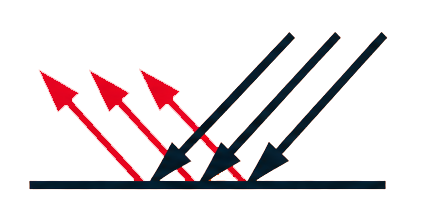
Nanomirror vs Traditional Glass
Glassless mirror
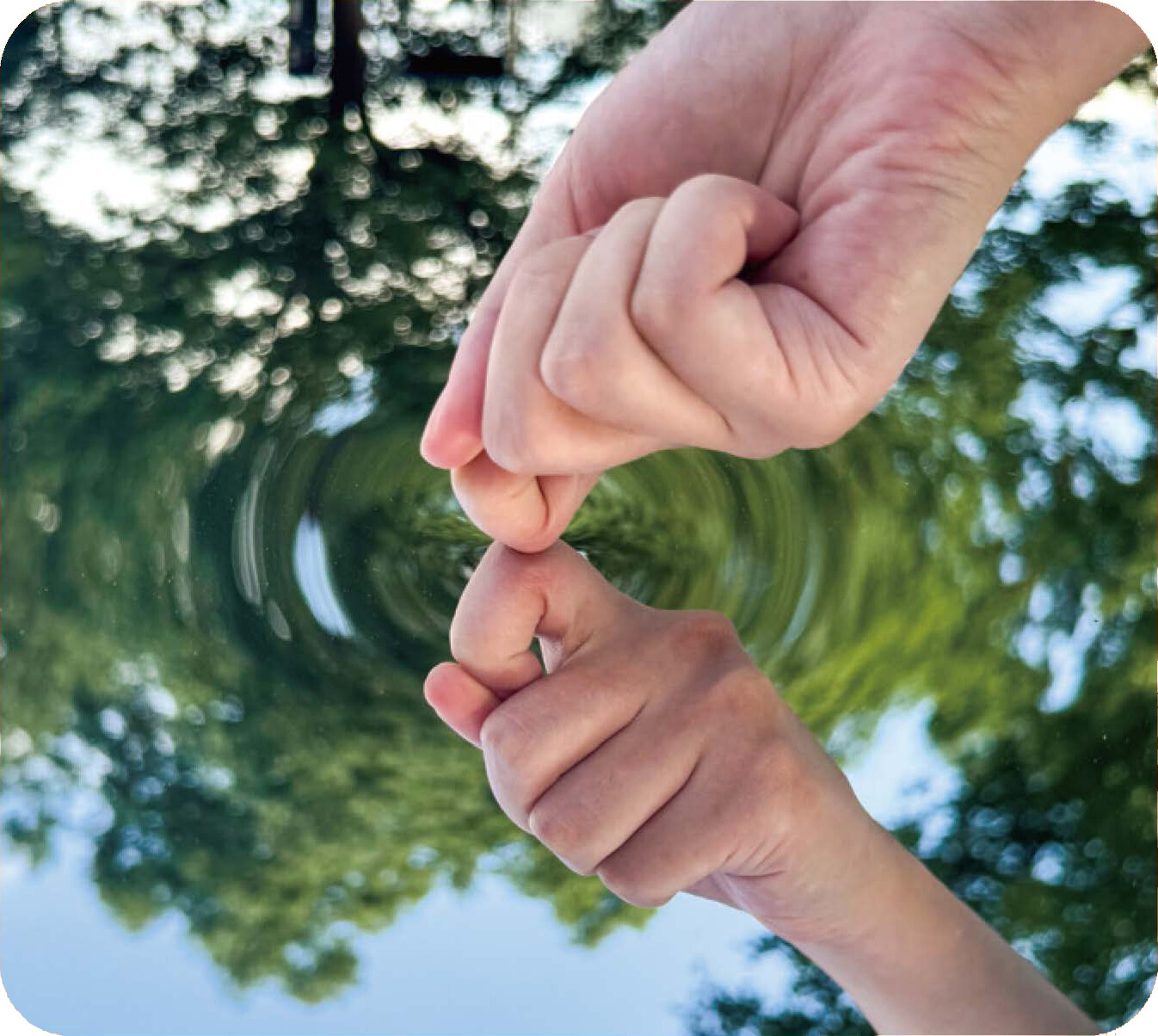
Through our innovative material-stretching technology, NovaSafe introduces a genuinely shatterproof, glass-free mirroring solution.
Glass mirror

Standard glass mirrors are a home essential, yet they always leave us worrying about the worst—falls, cracks, and sharp shards

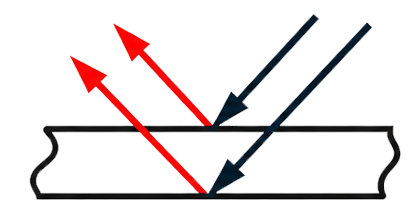
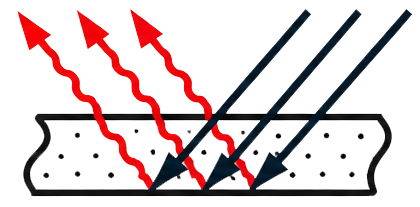
Glassless mirror
Through our innovative material-stretching technology, NovaSafe introduces a genuinely shatterproof, glass-free mirroring solution.
Glass mirror
Standard glass mirrors are a home essential, yet they always leave us worrying about the worst—falls, cracks, and sharp shards
Ready to Specify Glass-Less Nanomirrors?
Explore the complete shatterproof nanomirror range or request a B2B project quotation for gyms, studios, healthcare, and commercial fit-outs.